St. Sharbel Makhlūf
1828–98 | Feast: July 24
1828–98 | Feast: July 24
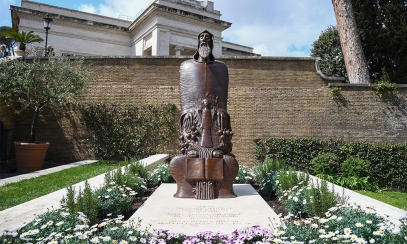
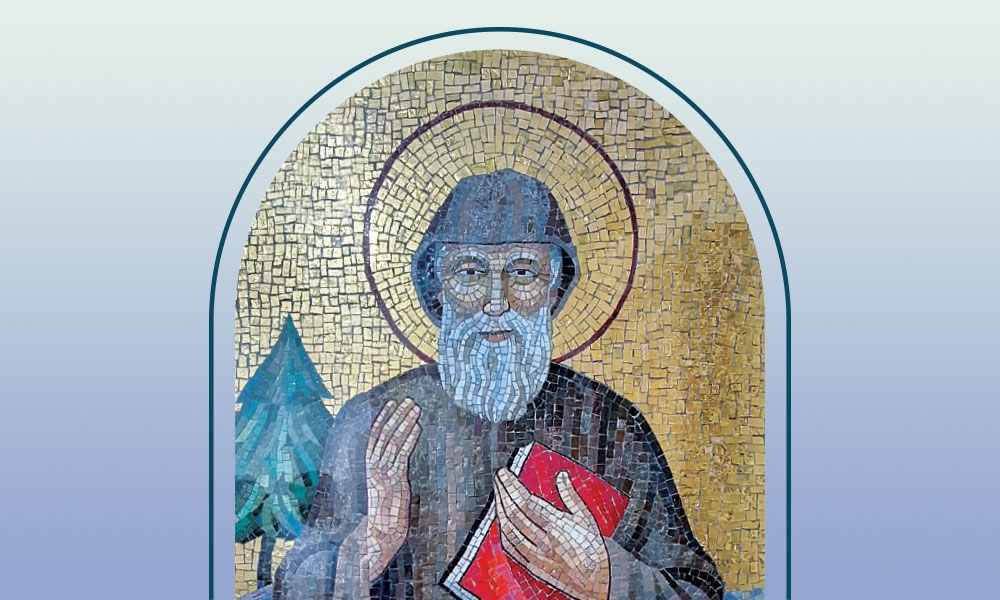
St. Sharbel (Youseff Makhlūf) was born on May 8, 1828 to a poor Maronite Catholic family in Bekaa Kafra, Lebanon. From a young age, Sharbel showed strong devotion to the faith, often bringing candles and flowers to a nearby shrine dedicated to Our Lady. As a young adult, he traveled four hours to visit two uncles in the monastery of St. Antonios Kozhaya.
He soon followed in their footsteps. He entered the Monastery of St. Maron in Annaya at age 23, taking the name Sharbel, after an ancient Antiochian martyr. Sharbel took monastic vows in 1853 and was ordained to the priesthood in 1859. After ordination, Sharbel was sent to a nearby monastery, where he dedicated himself to Christ through prayer, work, and silence. He worked the land – harvesting crops for his community– celebrated Mass and spent long hours praying. Many were drawn to the witness of this holy monk, and sought out his blessing and prayers. As Pope Leo XIV remarked while visiting St. Sharbel’s tomb in Dec. 2025, many went to him to “receive comfort, forgiveness and advice from the Lord.”
In 1875, St. Sharbel received permission to live as a hermit in the Hermitage of Sts. Peter and Paul near the Monastery of St. Maron, where he remained until his death. As a hermit, he lived in near-complete seclusion, devoting himself to intense prayer and penance for the next 23 years. At the request of his superiors, he occasionally left the hermitage to celebrate Mass and administer the sacraments in the surrounding villages.
St. Sharbel died on Christmas Eve in 1898. Because of the holiness of his life and the countless miraculous healings attributed to his intercession, Sharbel was canonized in 1977 by Pope Paul VI. His tomb remains a popular pilgrimage site, with thousands coming from all over the world to spend a day in prayer and to ask for his intercession.
“In a world largely fascinated with riches and comfort, [St. Sharbel] helps us understand the paramount value of poverty, penance, and asceticism to liberate the soul in its ascent to God.” (Pope Paul VI, at the Mass for the beatification of St. Sharbel)
St. Sharbel Makhlūf, pray for us!